Over thousands of years plants have provided us with an ever increasing range of useful medicinal, sometimes life saving, substances such as taxol in the Yew Tree and vinblastine from Madagascan Periwinkle for cancer treatment. It seems a lot of practical wisdom has disappeared as in many cases it appears we are rediscovering lost knowledge. The paradox is that these valuable plants in raw form or in the wrong quantities can be deadly, even more so as many are particularly attractive in looks and scent.
Many are very popular garden favourites. Take the Lily Of The Valley for example which can cause paralysis or the Monkshood with its dark blue blooms. It’s actually a member of the buttercup family of which all are fairly toxic! This includes the showy Marsh Marigold of pond edges.
The striking Foxglove contains Digitoxin, valuable for heart treatments but ingesting leaves or flowers can be very dangerous.

The Irises are another family of plants to be reckoned with- they contain irisin which has a powerful effect on the digestive tract. One helpful point is that they taste bitter so this discourages them from being eaten.
The beautifully scented Daphnes are also highly poisonous with irritating sap but have many medicinal properties.
A fascinating family of plants is Solanaceae containing the familiar Potato, Tomato and Capsicum Peppers originally from the south and central Americas. Many are aware that the green parts of potatoes are not good to eat. One member is clearly dangerous- the Deadly Nightshade! Many species have important medicinal uses such as the Mandrake. There are at least 2000 members of this family worldwide including trees and many climbers. Others like the Aubergine or Eggplant and Goji Berry are important crops too.
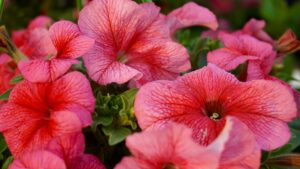
The familiar showy Petunia and Tobacco plants with their sticky hairy stems also deserve a mention here.
The hardy Fuchsia Magellanica, a wild shrub species from the same continent with its slim hanging purple and red flowers is also now very much a part of the landscape in southern Ireland and Cornwall. The small berries are actually edible. It would be hard to imagine these not being a part of our gardens and kitchens now but there is good
evidence that all of the plants above have been used for thousands of years before they arrived here in Europe.
Article by ANDY GOOD Blooming Good Garden Design and Landscaping City and Guilds Horticulture
T: 01594 839313 or M: 07837 612410